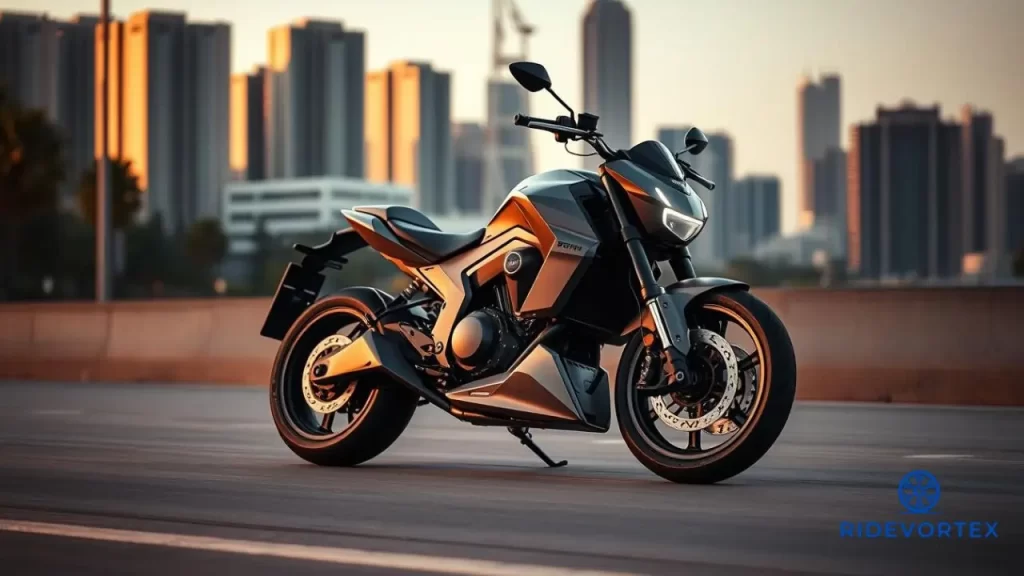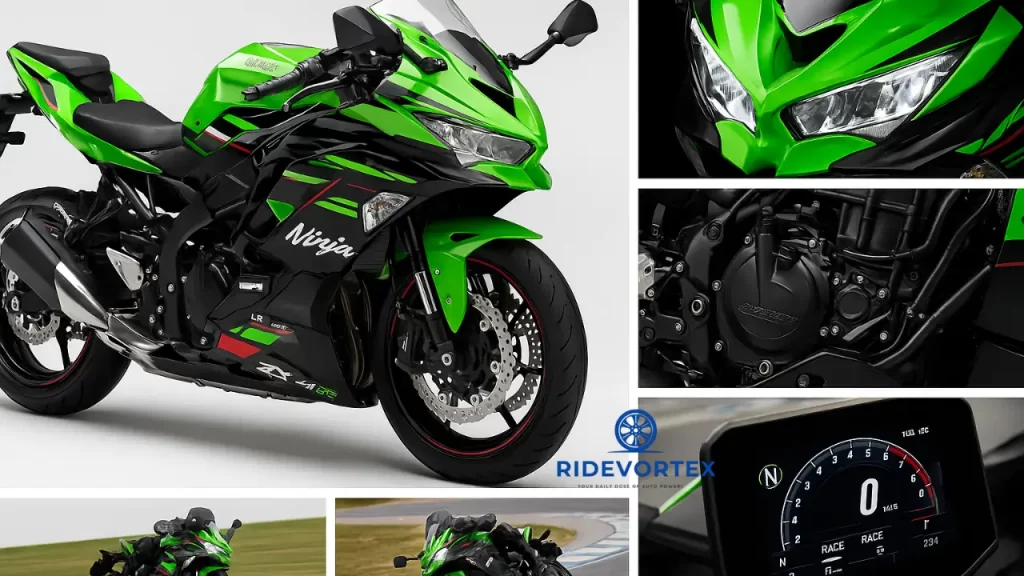
#20 — Hero Xtreme 125R — The Modern Performance Commuter
The Hero Xtreme 125R is Hero’s most modern 125cc motorcycle and a strong entry for riders who want cutting-edge design and features in their delivery bike. It gets a sharp, contemporary design with LED lighting all around, a fully digital TFT instrument cluster with Bluetooth connectivity and turn-by-turn navigation, a USB charger, and Hero’s i3S idle start-stop system. The 124.7cc engine is tuned for a balance of performance and efficiency, producing 11.4 PS and delivering around 45–48 km/l in loaded delivery conditions.
The Xtreme 125R uses a diamond frame with telescopic front forks and a mono-shock rear suspension — a step up from the twin-shock setups found on most commuters. This gives it better handling and a more stable ride over bumpy roads. The front disc brake is standard, and the overall fit and finish is excellent for the price point.
Commercial Verdict: The Xtreme 125R is the premium choice for young delivery riders who want a modern, feature-rich motorcycle that doubles as a stylish personal ride. The TFT display with navigation, mono-shock rear suspension, and aggressive styling make it the most desirable bike on this list — though the higher price and slightly lower mileage mean it is best suited for riders who prioritise ride quality and features alongside fuel savings.
👍 Pros
- Most modern design and TFT display on this list
- Mono-shock rear suspension for superior ride quality
- Full LED lighting with excellent night visibility
- Hero’s massive 4,000+ service network for easy maintenance
👎 Cons
- Highest price on this list — increased financial commitment
- Lowest mileage among all 20 bikes reviewed here
- Sporty character may not suit all-day delivery ergonomics
Smart Buying: Loans, Insurance & ROI
Choosing the right motorcycle is only half the battle — financing it smartly and protecting it with the right insurance is equally important. Many delivery riders make costly mistakes during the buying process that eat into their earnings for years. This section will help you avoid those pitfalls and maximise your return on investment.
Understanding Two-Wheeler Loans for Delivery Riders
In 2026, two-wheeler loan interest rates for commuter motorcycles typically range between 8% and 15% per annum, depending on your credit score, income documentation, and the lending institution. Nationalised banks usually offer the lowest rates (8–10%), while NBFCs (Non-Banking Financial Companies) and fintech lenders charge higher rates (12–15%) but approve loans faster with less documentation. Several manufacturers, including Bajaj and Hero, have tied up with lending partners to offer zero down payment bike loan schemes specifically for gig economy workers — ask your dealer about these programmes.
If you have a low credit score, do not despair. Several NBFCs now offer low credit score bike finance options with higher interest rates but reasonable EMIs. The key strategy is to keep your loan tenure short (12–18 months) to minimise total interest paid, even if the monthly EMI is slightly higher. Use a bike EMI calculator (available on any bank’s website or apps like BankBazaar) to compare the total cost across different tenures and interest rates before signing any loan agreement.
What is Hypothecation — And Why You Must Remove It
When you take a loan to buy a motorcycle, the lender places a “hypothecation” on your bike’s RC (Registration Certificate). This means that while you possess and use the bike, the lender has a legal claim on it until the loan is fully repaid. Think of it as the bank’s security — if you default on the loan, they can technically seize the bike.
Once you have fully repaid your bike loan, you MUST get the hypothecation removed from your RC. Many riders skip this step and face serious problems years later when trying to sell the bike or transfer ownership. To remove hypothecation, collect a No Objection Certificate (NOC) from your lender, then visit your local RTO with the NOC, your RC, and an application form. The RTO will update the RC to show the bike is free of any lien. This process costs approximately ₹300–₹500 and takes 7–15 working days. Do not delay this — it protects your ownership rights.
Comprehensive vs. Third-Party Insurance for Commercial Use
Insurance is legally mandatory for every motorcycle in India, but as a delivery rider, you need to be especially smart about your coverage. There are two main types of commercial bike insurance India policies you should understand:
Third-Party Insurance: This is the bare minimum required by law. It covers damage or injury you cause to other people, vehicles, or property — but it does NOT cover any damage to your own bike. Annual premiums are fixed by IRDAI and are relatively low (₹1,500–₹2,500 for commuter bikes). This is the cheapest option, but it leaves you fully exposed if your bike is stolen, damaged in a flood, or involved in an accident that damages your vehicle.
Comprehensive Insurance: This covers everything — third-party liability PLUS damage to your own bike from accidents, theft, natural disasters, fire, and vandalism. For delivery riders who are on the road for 8–12 hours daily and face a statistically higher risk of accidents, a comprehensive policy is strongly recommended. Annual premiums range from ₹3,500–₹6,000 for commuter bikes, depending on the IDV (Insured Declared Value) and add-ons chosen. Essential add-ons for delivery riders include Zero Depreciation (covers full parts cost without depreciation deduction), Roadside Assistance, and Engine Protector.
A simple ROI calculation: If you earn ₹1,000 per day delivering and spend ₹150 on fuel with a 50 km/l bike, your fuel cost is 15% of your earnings. Switch to a 65 km/l bike, and fuel drops to ₹115 — saving ₹35/day or ₹1,050/month. Over 3 years, that is ₹37,800 in savings — often more than the price difference between the two bikes. Always calculate Total Cost of Ownership, not just the sticker price.
Maintenance Guide for High-Mileage Delivery Bikes
Delivery bikes accumulate kilometres at 3–4 times the rate of a regular commuter. Where an average rider does 5,000–8,000 km per year, a full-time delivery partner can easily cross 30,000–40,000 km annually. This accelerated usage demands a modified maintenance schedule to keep your bike running reliably and avoid costly breakdowns during earning hours.
- Engine Oil Change: Every 2,000–2,500 km instead of the standard 3,000–4,000 km interval. Use the manufacturer-recommended grade (usually 10W-30 for commuters). Frequent oil changes are the single most important thing you can do to extend engine life — clean oil reduces friction and prevents internal component wear.
- Chain Lubrication: Every 500 km or once a week, whichever comes first. Use a dedicated chain lubricant spray — not engine oil or WD-40, as these do not provide adequate long-term lubrication. A well-maintained chain can last 25,000+ km; a neglected one will wear out in 10,000 km and damage the sprockets, turning a ₹400 chain lube investment into a ₹2,500 chain-sprocket replacement.
- Air Filter Cleaning: Every 3,000 km. Delivery riding in dusty, polluted city traffic clogs air filters quickly. A clogged filter reduces mileage by 5–10% and can cause engine overheating. Clean the foam filter with mild detergent and re-oil it. Replace the filter entirely every 10,000–12,000 km.
- Tyre Pressure Check: Weekly. Under-inflated tyres increase rolling resistance, which directly reduces mileage by 3–5%. Maintain the manufacturer-recommended pressure (usually 28 psi front, 32 psi rear for loaded riding). Carry a portable tyre pressure gauge — it costs ₹200 and saves thousands in fuel over a year.
- Brake Pad Inspection: Every 5,000 km. Delivery riding involves constant braking. Check brake pad thickness and replace when worn to the indicator line. Never ride with worn brake pads — the cost of new pads (₹300–₹600) is infinitely cheaper than the cost of an accident.
- Spark Plug Replacement: Every 8,000–10,000 km. A worn spark plug causes incomplete combustion, reducing mileage and power. Replacement plugs cost ₹150–₹300 and take 10 minutes to change — you can even do this yourself with a basic spark plug wrench.
One final hack: maintain a simple logbook (even a note on your phone) tracking your fuel fills and kilometres. Divide kilometres by litres at each fill-up to calculate your running mileage. If you notice a sudden drop of more than 5 km/l, it is an early warning sign that something needs attention — usually the air filter, tyre pressure, or spark plug. Catching problems early is always cheaper than fixing them after a breakdown.
Frequently Asked Questions (FAQ)
If CNG infrastructure is available in your city, the Bajaj Freedom 125 (CNG) is the undisputed best choice with running costs under ₹1 per kilometre. For petrol-only options, the Bajaj Platina 100 (68 km/l) and TVS Sport (65 km/l) offer the highest real-world mileage. The Hero Splendor Plus XTEC is a strong all-rounder with useful features like a USB charger and Bluetooth console that benefit delivery work directly.
Yes, several NBFCs and fintech lenders offer low credit score bike finance options in 2026. Companies like Bajaj Finance, HDFC Bank, and several digital lenders approve two-wheeler loans even for applicants with credit scores below 650. The interest rate will be higher (12–16% vs. 8–10% for good credit), but the loan is still accessible. Additionally, many manufacturers offer zero down payment bike loan schemes through their dealer network — ask your local Bajaj, Hero, or Honda dealer about current offers specifically for gig economy workers.
It depends on your delivery type. For food delivery (Zomato, Swiggy) where loads are moderate and city speeds are sufficient, a 100cc bike like the Splendor or Platina offers the best mileage and lowest running costs. However, for grocery delivery (Blinkit, Zepto) or e-commerce parcels (Amazon Flex) where loads are heavier, a 125cc bike like the Honda Shine 125 or Hero Super Splendor XTEC handles the extra weight with less engine strain, which actually preserves engine life and maintains better mileage under load. The 125cc bike costs ₹10,000–₹15,000 more upfront but may save you in long-term engine maintenance costs.
Technically, using a personal two-wheeler for commercial delivery purposes (earning money) requires the vehicle to be registered for commercial use and insured under a commercial policy. However, in practice, enforcement of this rule for two-wheelers in India is very limited. At minimum, ensure you have a valid comprehensive insurance policy — in case of an accident during a delivery, a third-party-only policy will not cover damage to your own bike. Some insurers now offer “ride-sharing” or “gig economy” add-ons specifically designed for delivery riders. Check with your insurance provider about commercial bike insurance India options that cover your specific use case.
Delivery bikes should be serviced every 2,000–2,500 km — roughly twice as often as the manufacturer’s standard recommendation. The engine oil change is the most critical item. Chain lubrication should be done weekly, air filter cleaning every 3,000 km, and brake pads should be checked every 5,000 km. Following this schedule strictly can extend your engine’s life well beyond 1,00,000 km and prevent expensive breakdown repairs that cost you both money and working days.
For most delivery riders in India in 2026, the Bajaj Freedom 125 (CNG) is the best investment if CNG is available in your city. For petrol-only cities, the Bajaj Platina 100 offers the best mileage-to-cost ratio for food delivery, while the Hero Super Splendor XTEC is the ideal upgrade for heavy-load grocery and parcel delivery. Remember — the best delivery bike is the one that keeps the most money in your pocket at the end of each month. Use a bike EMI calculator, factor in fuel costs, insurance, and maintenance, and make your decision based on Total Cost of Ownership — not just the showroom sticker price.